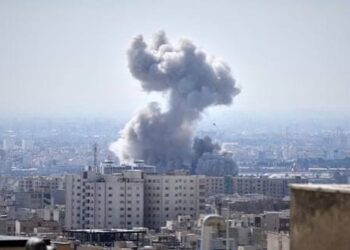
As tensions rise across the Middle East following the growing conflict between the United States, Israel, and Iran, a diplomatic visit by Brazil to the White House has emerged as a symbolic moment of global unity. The war, which began after coordinated U.S. and Israeli airstrikes on Iranian targets in late February 2026, has quickly expanded into a broader regional crisis, with missile and drone retaliations shaking several Middle Eastern countries.
Against this turbulent backdrop, Brazil’s diplomatic engagement with Washington sends a powerful message: dialogue and cooperation must not disappear even during the darkest moments of international conflict. Brazil, one of the leading voices in the Global South and a key member of the BRICS bloc, has consistently urged restraint and diplomacy while expressing concern over the escalating violence.
The visit to the White House stands as more than a formal meeting. It represents a call for unity among nations that believe global stability should be built through dialogue rather than sustained military confrontation. As casualties rise and tensions stretch beyond the Middle East, many world leaders fear the conflict could spiral into a wider international crisis.
In this fragile moment, Brazil’s diplomatic outreach highlights a crucial truth: even when war dominates headlines, the pursuit of peace and unity remains the most powerful weapon the international community possesses.