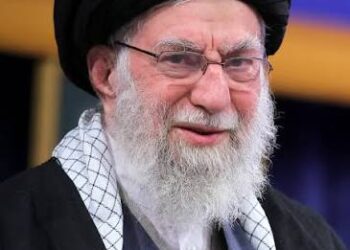
Khamenei’s Defiance: Iran’s Supreme Warning to the United States and Israel
Grand Ayatollah Seyyed Imam Ali Khamenei, Iran’s Supreme Leader, has long stood as the symbol of resistance against the United States and Israel, delivering some of the strongest warnings in modern geopolitical history. His rhetoric, deeply rooted in ideological and strategic defiance, positioned Iran as unwilling to bow to Western pressure or threats. Over decades, Khamenei repeatedly accused Washington and Tel Aviv of aggression, interference, and attempts to destabilize the Islamic Republic.
In his final era of leadership, tensions escalated dramatically. Military confrontation between Iran, the United States, and Israel reached unprecedented levels, culminating in airstrikes, retaliatory missile launches, and global fears of a wider war. Iranian officials vowed revenge and promised decisive retaliation following strikes that killed hundreds and targeted key leadership figures.
Khamenei’s stance reflected his belief that Iran’s sovereignty and revolution must be defended at all costs. His warnings echoed across the region, signaling that Iran would respond fiercely to perceived threats and aggression. Meanwhile, U.S. President Donald Trump justified military action as necessary to eliminate nuclear and regional threats posed by Iran.
Khamenei’s leadership ultimately defined Iran’s confrontational posture. His defiance left a legacy of resistance, shaping Middle Eastern geopolitics and leaving the world confronting uncertainty, fear, and the fragile balance between war and peace.