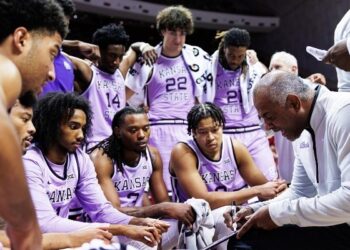
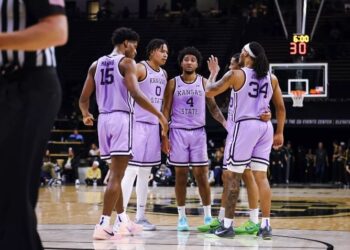
The transfer portal has become increasingly chaotic in recent years, but its importance in roster building hasn’t diminished—especially for new head coaches. For Casey Alexander and the Kansas State Wildcats men’s basketball, that means closely evaluating standout performers from NCAA March Madness. While underdog names like Gavin Doty, Isaac Johnson, and Wes Ines may generate buzz nationwide, the real focus isn’t on specific players yet—it’s about forming the right recruiting approach. The top-tier additions will come later.
There’s clear value in targeting players who shine during the tournament. These athletes have already experienced high-pressure situations and understand what it takes to perform when the stakes are highest. That kind of exposure can be a major asset.
Although returning to that level of competition doesn’t change the fundamentals of postseason success, familiarity with the environment can make a significant difference. Having players who’ve been through it before can elevate an entire team. As of now, however, no official transfer targets have been identified for Alexander and his program.
The bigger question remains: should the focus be on high school recruits or transfer portal additions? Building through high school requires patience and consistency—areas where Alexander has already shown strength, securing commitments from top 2026 prospects Devin Hutcherson and Jaylen Alexander.
The challenge lies in deciding how to allocate resources. Programs like the Iowa Hawkeyes men’s basketball and Indiana Hoosiers men’s basketball often prioritize the transfer portal, with coaches Ben McCollum and Darren DeVries finding success by bringing in familiar talent. Still, that approach doesn’t work universally.
Alexander’s background in the Missouri Valley Conference adds another layer of complexity. That conference is a frequent target for Power Five teams looking to recruit experienced players, making retention difficult without strong relationships and trust.
In today’s game, many programs lean toward the transfer portal because it offers players with proven college experience. This shift has also reduced the need for traditional redshirting, allowing athletes to contribute sooner.
For players who weren’t highly ranked out of high school, the pathway has evolved as well. The transfer portal now provides opportunities to move, develop, and earn scholarships—removing the old necessity of starting as a walk-on and waiting for a chance.